June 18, 2026
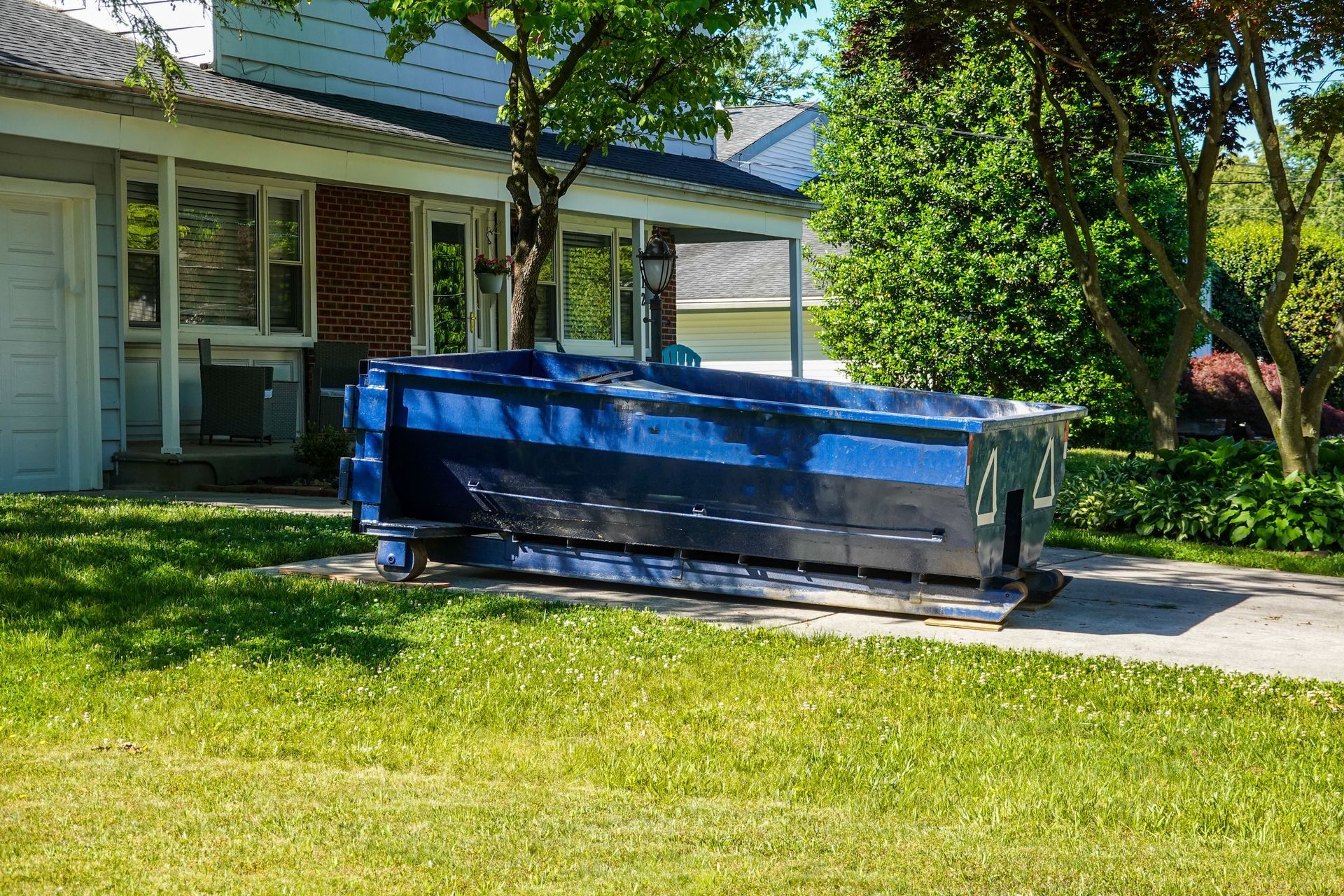
Undertaking a massive property cleanup requires proper planning and reliable waste management solutions. Homeowners and contractors face the challenge of removing debris without causing property damage or violating local regulations. Utilizing a dumpster rental simplifies the cleanup process by providing a central location for discarded items. Sorting through years of accumulated belongings or managing a renovation generates immense volumes of refuse. Determining correct disposal methods for various items ensures a smooth project. Eliminating unnecessary items paves the way for fresh starts.
Before scheduling delivery, individuals must understand accepted materials and prohibited items. Waste management facilities enforce firm guidelines to protect the environment and maintain worker safety. Ignorance of these rules results in rejected loads or unexpected fines. A clear understanding of acceptable refuse categories empowers customers to fill their bins without hesitation. Understanding permitted debris types and crucial restrictions makes for a hassle-free dumpster rental experience.
Accepting General Household Debris
Clearing out residential spaces yields a vast array of discarded items. Furniture, broken appliances, and torn carpets constitute standard household refuse. Removing bulky items clears valuable space within garages, attics, and basements. People tackle spring cleaning projects with enthusiasm when they possess an adequate container to hold the resulting mess. Proper disposal of non-hazardous everyday items keeps neighborhoods clean and organized.
Old clothing, worn mattresses, and broken toys fit into roll-off containers with ease. Discarding damaged electronics requires checking local waste regulations, but standard household trash poses no issue. According to Dumpsters.com, household or cleanout waste usually fits in standard 10 to 20-yard dumpsters. This capacity handles significant room clear-outs without overflowing. Residents appreciate the convenience of tossing varied items into a centralized bin.
Cardboard boxes, packaging materials, and general clutter accumulate over time. Breaking down boxes maximizes available space within the receptacle. Heavy wooden furniture might require dismantling prior to disposal to ensure an even load. Throwing away old rugs and torn draperies revitalizes living areas. A systematic approach to decluttering transforms chaotic rooms into functional environments. Keeping discarded items in a centralized spot prevents messes from spreading.
Organizing a property cleanout demands a structured disposal strategy. Tossing miscellaneous non-toxic household goods into your dumpster rental accelerates the job. Friends and family members can assist with carrying heavy couches or solid oak tables out the door. Consolidating the domestic trash simplifies the transition to a neat home. Taking action on clutter promotes a sense of accomplishment and renewed energy.
Managing Heavy Construction Materials
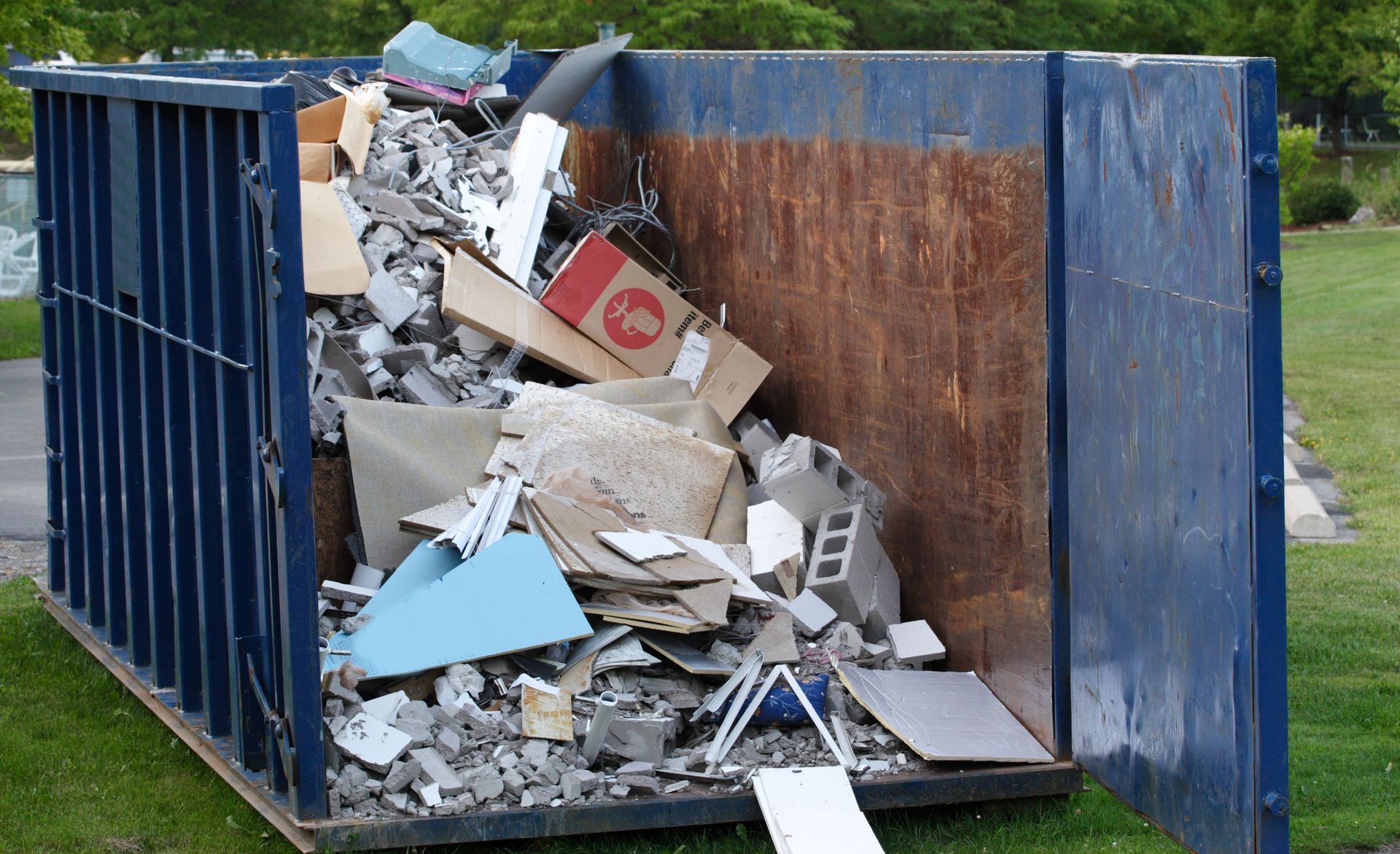
Remodeling kitchens or bathrooms generates massive amounts of heavy debris. Ripped-out drywall, broken tiles, and shattered lumber fill workspace areas. Contractors need immediate removal solutions to maintain safe job sites. Tossing rough materials into a waiting bin prevents accidents and tripping hazards. Dedicated waste containers handle the rough nature of construction refuse without breaking. Consolidating shattered materials into designated zones creates safe walking paths for the crew.
Roofing projects produce heavy shingles and bent nails. Discarding asphalt shingles requires durable bins capable of holding immense weight. Replacing old siding creates long strips of vinyl or wood needing disposal. Subflooring removal leaves behind splintered plywood pieces. The sheer volume of material removed during structural updates necessitates professional hauling solutions.
Plumbing updates and electrical overhauls leave behind scrapped pipes and stripped wires. Discarding old porcelain toilets, cracked bathtubs, and rusted sinks clears the path for new fixtures. Throwing away damaged cabinets and crushed countertops reveals the blank canvas of a renovation project. Builders rely on sturdy containers to handle jagged edges and sharp corners inherent in demolition work.
Maintaining a tidy construction zone reflects professionalism and care. Utilizing a dedicated dumpster rental keeps the surrounding landscape free from scattered nails and jagged wood. Workers navigate the area with greater safety when refuse remains contained. Project efficiency improves when debris goes from the demolition point into the final disposal container.
Removing Organic Yard Debris
Landscaping renovations produce organic refuse needing proper management. Fallen branches, pulled weeds, and massive piles of leaves require gathering and removal. Storm cleanup efforts involve hauling away snapped tree limbs and uprooted bushes. Clearing a neglected backyard creates a beautiful outdoor sanctuary. Dumping natural debris into a designated bin streamlines the landscaping process. Completing outdoor projects feels less burdensome with proper equipment.
Trimming overgrown shrubs and pruning mature trees generates significant foliage. Grass clippings and dead flowers add to the organic bulk. Property owners clearing out dead ivy or pulling up thorny vines need adequate disposal space. Removing old sod or digging up excess dirt shifts the landscape design. Containing this earthy mess prevents unsightly piles on the front lawn.
Decaying wood from old fences or collapsed retaining walls qualifies as acceptable yard waste. Untreated timber decomposes in nature and poses no environmental threat. Discarding broken terra cotta pots or cracked plastic planters clears patio spaces. Refreshing a garden involves discarding dead vegetation to make room for new growth. A clean yard enhances curb appeal and outdoor enjoyment.
Seasonal yard maintenance tasks demand efficient debris handling. Scheduling a dumpster rental during autumn leaf falls or spring planting seasons provides unmatched convenience. Gardeners can focus on planting and designing instead of worrying about hauling away heavy bags of dirt. Simplifying yard cleanouts encourages regular property upkeep and beautification.
Understanding Strict Disposal Prohibitions
While waste containers accommodate numerous materials, crucial restrictions exist for safety and environmental protection. Service providers maintain lists of forbidden items to comply with state and federal laws. Customers must review these guidelines to prevent contamination of the load. Disposing of restricted items causes environmental harm and endangers sanitation workers. Responsible waste management requires adhering to established facility rules.
Service providers forbid placing propane tanks in the containers. Compressed gas cylinders pose severe explosion risks during transport and processing. Hazardous materials, including wet paint, harsh chemicals, and motor oil, leak and contaminate groundwater. Toxins require specialized processing facilities equipped to handle dangerous substances. Protecting local ecosystems relies on keeping toxic liquids out of standard landfills.
Automotive tires represent another prohibited category for these bins. Landfills reject rubber tires because they trap methane gas and float to the surface over time. Discarding tires requires taking them to specific recycling centers or tire shops. Placing restricted items into the bin results in extra fees or immediate refusal of pickup. Compliance ensures smooth operations for parties involved.
Protecting the environment and workers remains a top priority. Adhering to the ban on propane tanks, hazardous materials, and automotive tires guarantees a successful transaction. Responsible disposal practices reflect a commitment to community safety and ecological preservation.
Tackling cleanouts or renovations becomes manageable with proper waste containment. Understanding accepted materials allows homeowners and contractors to work without interruption. Tossing broken furniture, old drywall, and dead tree branches into a large bin clears spaces with ease. Recognizing the value of efficient debris removal encourages property owners to undertake property improvement projects.
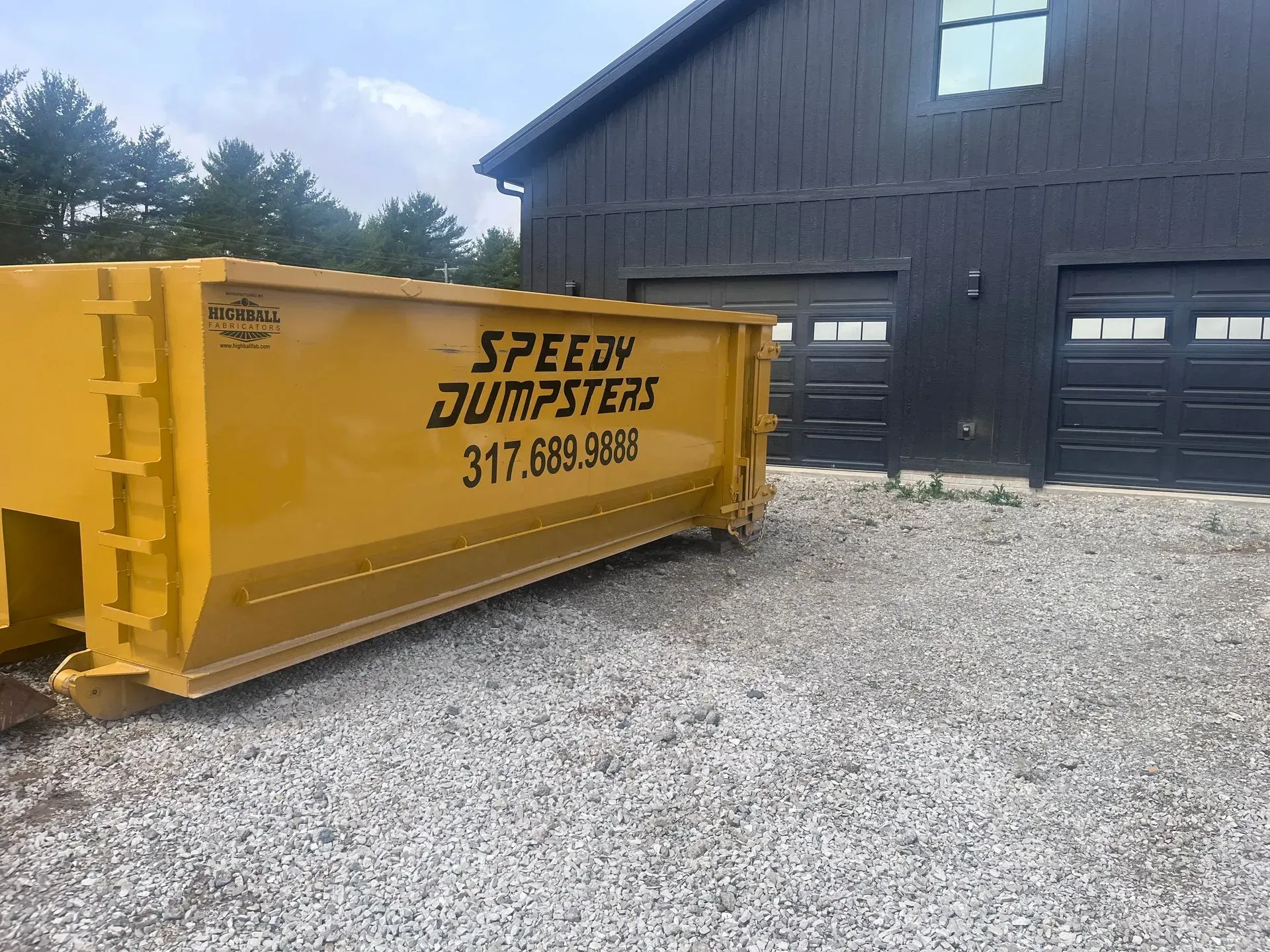
Success depends on following the established disposal guidelines. Keeping prohibited items like chemical solvents, automotive tires, and pressurized propane tanks out of the load prevents complications. Working within the rules ensures a seamless pickup and protects the surrounding community. Proper planning and knowledge transform a daunting cleanup task into a straightforward process. Contact Speedy Dumpsters today to book a reliable dumpster rental for your upcoming renovation or cleanout project. Let our team handle the waste removal so you can focus entirely on enjoying your newly refreshed space.