August 27, 2026
Choosing the right roll off dumpster size is crucial for the overall efficiency and cost-effectiveness of your project. A mismatched container size can quickly lead to higher expenses and inefficient waste management. Oversized containers might cost more than required for your actual debris volume, while undersized ones lead to additional rental fees, administrative hassles, and project delays. By thoroughly understanding your project demands, estimating waste volumes accurately, and following a structured selection approach, you can make an informed decision that maximizes productivity and minimizes inconvenience.
Understanding Your Project Needs
The scale of your project is the primary consideration when selecting a dumpster. For larger endeavors, such as comprehensive home renovations or commercial construction, the need for high-capacity containers is evident. Smaller home updates like room refurbishments or simple decluttering require fewer resources and a smaller footprint. Estimating the scope correctly helps prevent excess costs associated with unutilized space. When it comes to larger residential and commercial jobs, container choices often range from 20-yard to 40-yard options depending on structural tear-downs or heavy material volume.
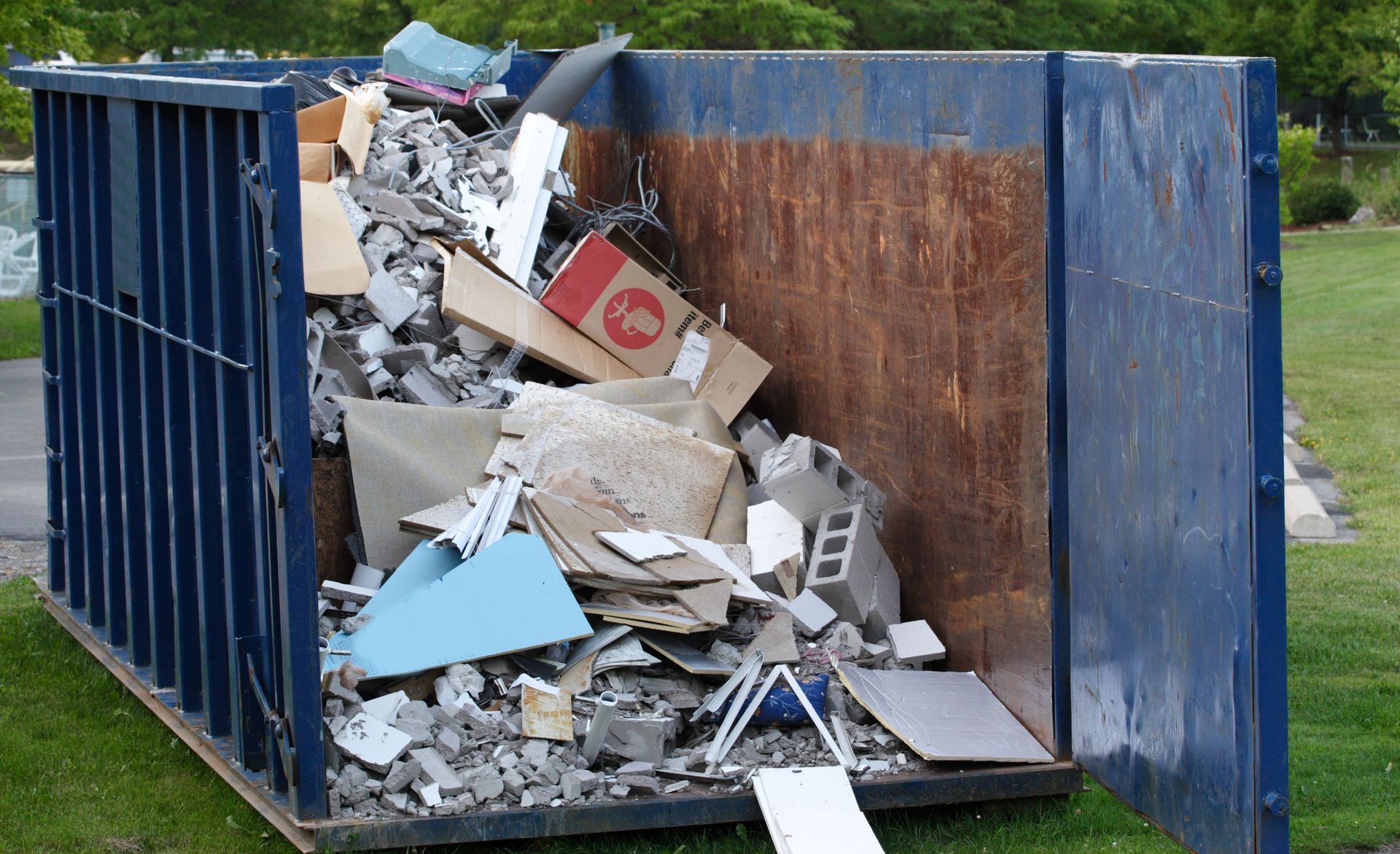
Understanding the specific type of waste material is equally essential in choosing your container size. Different materials require distinct handling, weight distribution, and disposal methods. For instance, heavy materials like concrete, soil, asphalt, and brick need sturdy containers that can safely manage weight limits. According to WM, a 20-yard roll-off dumpster is ideal for heavy-debris home clean-outs and remodeling cleanup. Alternatively, lighter materials like household furniture or yard waste do not require the same dense structural capacity, allowing you to focus on volume rather than strict weight thresholds.
Estimating debris volume accurately is critical for choosing the right roll off dumpster. Projects that involve multiple rooms or complex demolition benefit from a detailed breakdown of expected refuse. Each area's contribution to the total volume directly influences the overall decision-making process. It is also important to account for unexpected waste, such as structural rot or hidden insulation, that might arise during wall removals. An accurate volume estimate helps determine if standard sizes will suffice or if multiple containers will be necessary.
Project duration directly impacts rental periods and overall operational costs. Longer renovation projects might require keeping a container on-site for extended periods, occasionally necessitating scheduled pickup and emptying services. Short-term residential cleanouts benefit from efficient scheduling that aligns with rental timelines to avoid unexpected daily overage charges. Considerations related to time frames also involve local municipal inspections or compliance checks. Aligning your timeline with scheduled waste management services ensures continuous workflow and maximum cost savings.
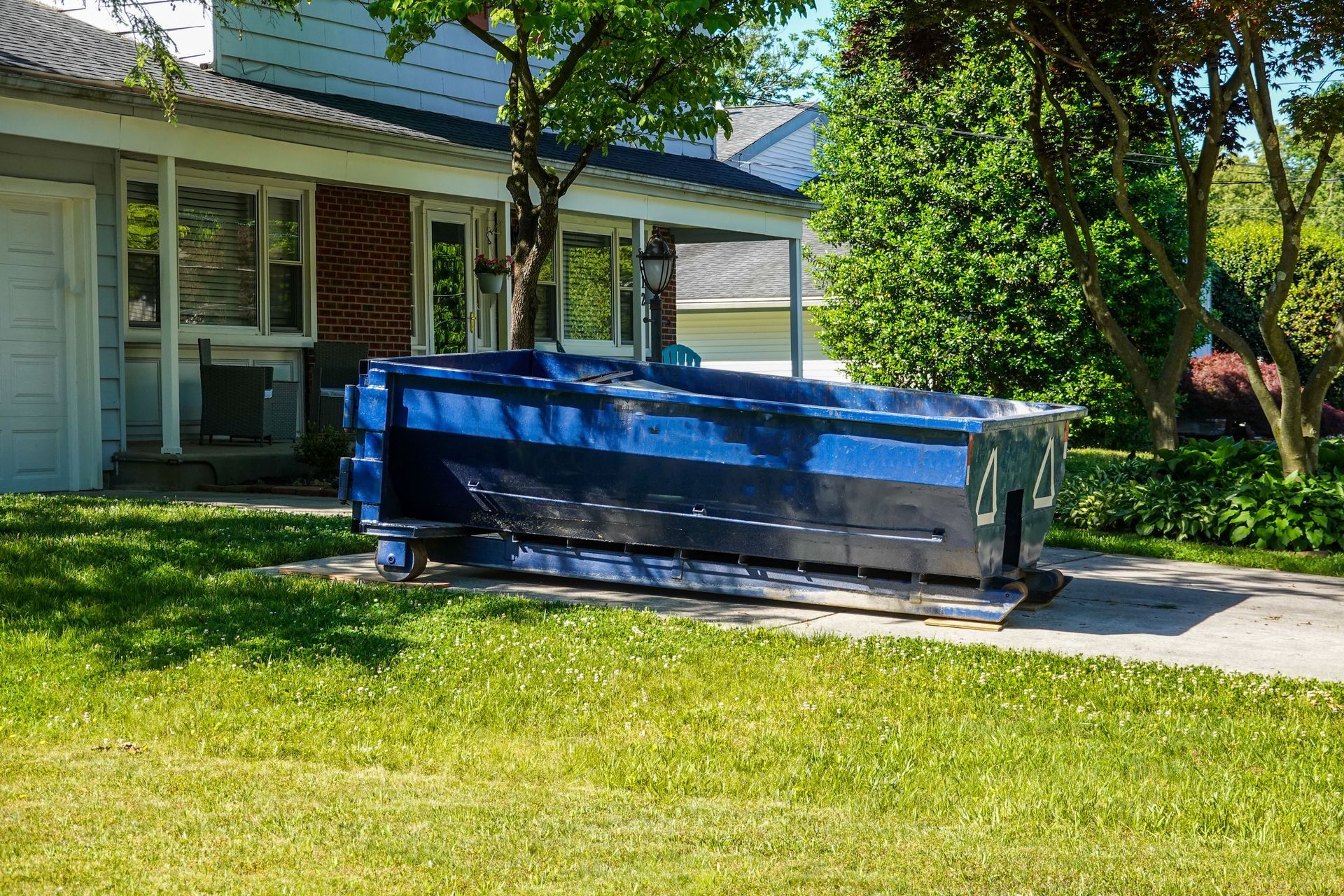
Location constraints can significantly influence container selection and placement options. Urban job sites often present tight spatial restrictions, necessitating smaller roll off dumpster footprints, while rural properties offer far more placement flexibility. Overhead tree branches, power lines, and narrow access roads might restrict delivery trucks, impacting the size of the container you can physically receive. Additionally, neighborhood ordinances or homeowner association rules may impose strict limitations on container dimensions or street placement, making early spatial checks vital.
Types of Roll Off Dumpster Sizes
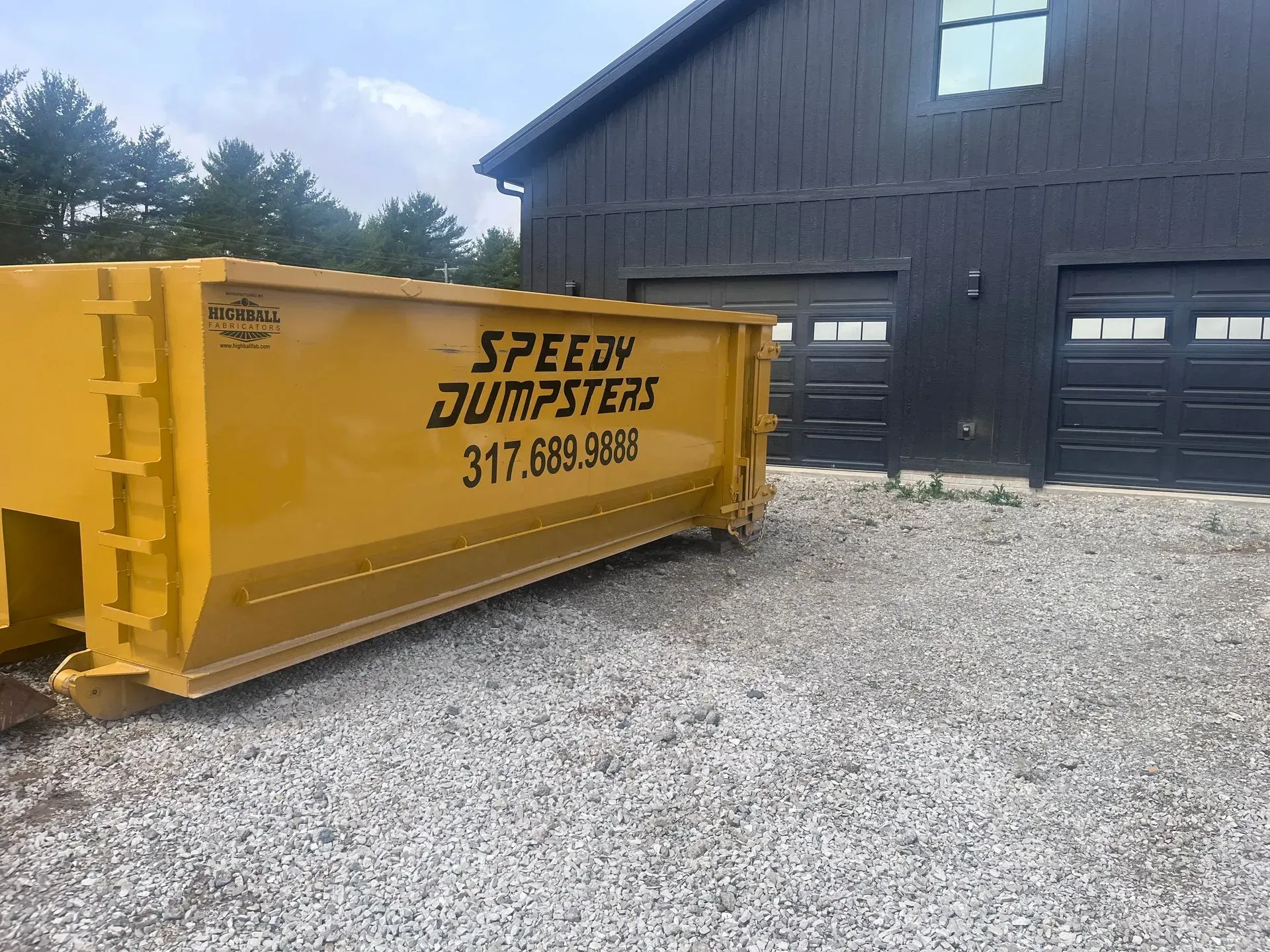
Dumpsters are available in several standard capacity options, each suited to specific project demands. Common sizes include 10-yard, 20-yard, 30-yard, and 40-yard configurations. A 10-yard container generally accommodates minor cleanup efforts, small bath updates, or localized roof repairs. In contrast, extensive site developments that generate substantial construction waste, such as complete building tear-downs or major additions, routinely necessitate a 30-yard or 40-yard roll off dumpster to maintain a clean, safe, and efficient job site.
Small dumpsters, typically under 10 yards, are well-suited for light residential tasks involving minimal debris. They offer exceptional cost-effectiveness and maneuverability in tight driveways or crowded alleys. However, their limited volumetric capacity might require frequent emptying trips, potentially increasing total transportation fees. While easy to place on small residential lots, their economic efficiency depends on accurate volume predictions. Underestimating your waste output can result in renting multiple small containers when a single larger unit would have been far cheaper.
Medium-sized options, ranging from 10 to 20 yards, cater to moderate renovation projects, flooring replacements, or large garage cleanouts. These versatile units easily handle landscaping waste, minor construction debris, and bulky household items. Medium containers offer an ideal balance between heavy weight capacity and manageable physical dimensions for residential driveways. Strategically choosing a medium container optimizes both cost-effectiveness and site logistics, providing ample room for bulky items without overwhelming your available driveway or staging space.
Large containers spanning 30 to 40 yards provide the massive capacity required for extensive commercial builds, full-home demolitions, or major community cleanups. While these units have a larger physical footprint, their usage can be extremely cost-effective by consolidating massive waste volumes into a single haul, effectively minimizing individual pickup fees. Choosing a suitable large roll off dumpster size guarantees alignment with complex site demands, preventing project shutdowns caused by overflowing refuse and unexpected safety hazards.
Beyond standard containers, specialty units exist for niche applications and strict environmental demands. These include specialized concrete washouts, hazardous material containers, or covered units designed to protect paper waste from rain exposure. Projects involving specialized recycling goals, such as separating clean wood or scrap metal, benefit from dedicated specialty bins. While occasionally costlier upfront, these tailored options streamline sorting processes, ensuring full compliance with environmental laws and site safety guidelines.
Factors Influencing Dumpster Size Selection
The weight of your debris plays a pivotal role in container selection. Heavy materials like dirt, stone, and tile can quickly exceed legal road weight limits even if the container looks half-empty. Conversely, light debris like cardboard, drywall, and tree branches allows you to fill the container to its top rim without exceeding weight thresholds. Understanding material composition helps balance physical volume against strict weight limits, avoiding costly overweight fines from transport carriers.
Local regulations and municipal guidelines frequently dictate container placement and size choices. Many cities require special permits if a container sits on a public street rather than a private driveway. Compliance with municipal codes prevents unexpected fines and ensures safe pedestrian and vehicle traffic flow around your job site. Researching local street placement rules beforehand ensures your chosen unit complies with local parking regulations and urban access laws.
Balancing upfront costs with project needs requires evaluating rental terms, delivery fees, and weight allowances. While a larger roll off dumpster costs more initially, it often proves cheaper than paying for multiple hauling trips on a smaller, overloaded unit. Evaluating competitive pricing models, potential overage fees, and weight restrictions helps prevent unexpected budget overruns while maintaining continuous site cleanup productivity.
Pickup frequency is another crucial consideration during the planning phase. High-tempo projects with rapid debris accumulation may require scheduled swap-outs rather than a single final pickup. Choosing a slightly larger roll off dumpster can accommodate daily spikes in debris generation, reducing the operational stress and downtime associated with waiting for empty replacement bins to arrive on-site.
Environmental sustainability should also guide your waste management strategy. Selecting the appropriate container size facilitates proper sorting of recyclable materials, such as metals, concrete, and untreated lumber. Efficient waste management practices lower your project's overall carbon footprint and divert usable materials away from regional landfills, supporting community sustainability goals and responsible resource conservation.
Selecting the correct dumpster size is essential for smooth, cost-effective project execution. By evaluating waste volumes, understanding weight limits, and adhering to local placement rules, you keep your job site clean, safe, and on schedule. Proper planning prevents unexpected delays and overage fees, allowing you to focus on completing your project efficiently. When you are ready to secure a reliable, hassle-free waste solution for your next job, trust the experienced team at Speedy Dumpsters to deliver prompt service and the perfect container size for your exact needs.