November 5, 2026
Choosing between a roll-off and a front-load dumpster rental impacts the cost, efficiency, and overall organization of your waste management strategy. Whether managing a home renovation, a construction site, or daily commercial garbage, selecting the right container ensures smooth operations. Understanding the fundamental differences between these dumpster styles helps property owners and project managers make informed choices. Working with a reliable local dumpster rental service simplifies the process, ensuring you receive the ideal container for your specific project needs.
Waste management demands vary across different industries and home improvement projects. Temporary demolition projects require massive volume capacity and open-top loading, whereas retail stores and restaurants require permanent bins serviced on regular weekly schedules. Evaluating these factors helps optimize your waste disposal strategy and keeps your property running efficiently.
Evaluate Roll-Off Dumpster Rentals
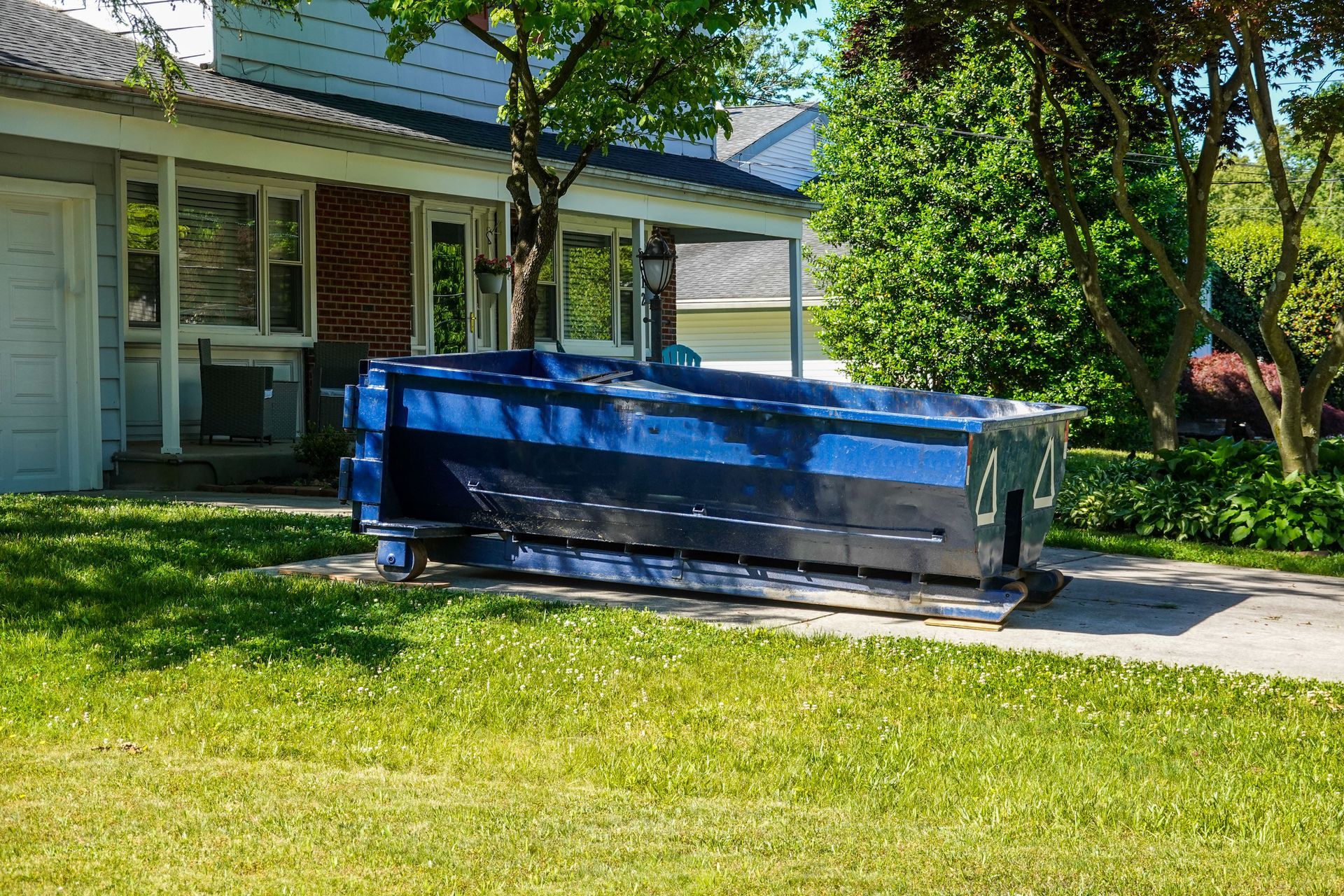
Choosing the right waste disposal method is essential for keeping job sites clean and managing debris efficiently. Roll-off dumpsters represent a versatile waste management option designed primarily for temporary projects. These large containers arrive on specialized trucks equipped with hydraulic beds that slide the bin directly onto the designated surface. Their open design makes loading heavy materials, bulk waste, and demolition scrap straightforward for cleanup crews.
These units excel at handling varied debris streams generated during home renovations, roof tear-offs, and large construction endeavors. Industry analysis indicates that these open-top units control 60% of the worldwide waste container market, according to DataHorizzon Research. Their widespread popularity stems from their ability to accommodate unpredictable waste volumes and heavy materials that standard trash services cannot haul away.
Because these dumpsters come in a broad range of physical dimensions, project managers can select a size tailored to their cleanup requirements. Choosing an appropriately sized bin ensures that waste does not spill over while avoiding unnecessary costs. A reliable local dumpster rental service helps customers evaluate their waste volume ahead of time to ensure seamless drop-off and pickup logistics.
Examine Front-Load Dumpster Features
Front-load dumpsters serve as permanent waste collection bins designed for continuous commercial operations. Unlike temporary roll-off bins, these sturdy containers remain stationed on site indefinitely and feature slanted lids to contain odors and deter pests. Waste trucks equipped with front-facing forks lift the container directly over the vehicle cabin, emptying the contents into the hopper before returning the bin to its pad.
These compact waste bins are ideal for restaurants, office buildings, retail centers, and apartment complexes generating steady daily trash. Securing a local dumpster rental service allows commercial property managers to establish regular pickup schedules tailored to their operational flow. Having a dedicated waste bin on site keeps property grounds tidy and ensures ongoing compliance with municipal sanitation standards.
Front-load units are manufactured in several standard dimensions to fit diverse commercial spaces and daily waste outputs. Choosing the proper bin capacity prevents unsightly overflowing garbage between scheduled pickups while keeping recurring collection fees predictable. Commercial operators depend on these stationary bins to maintain clean, professional environments for customers and employees.
Compare Key Structural Differences
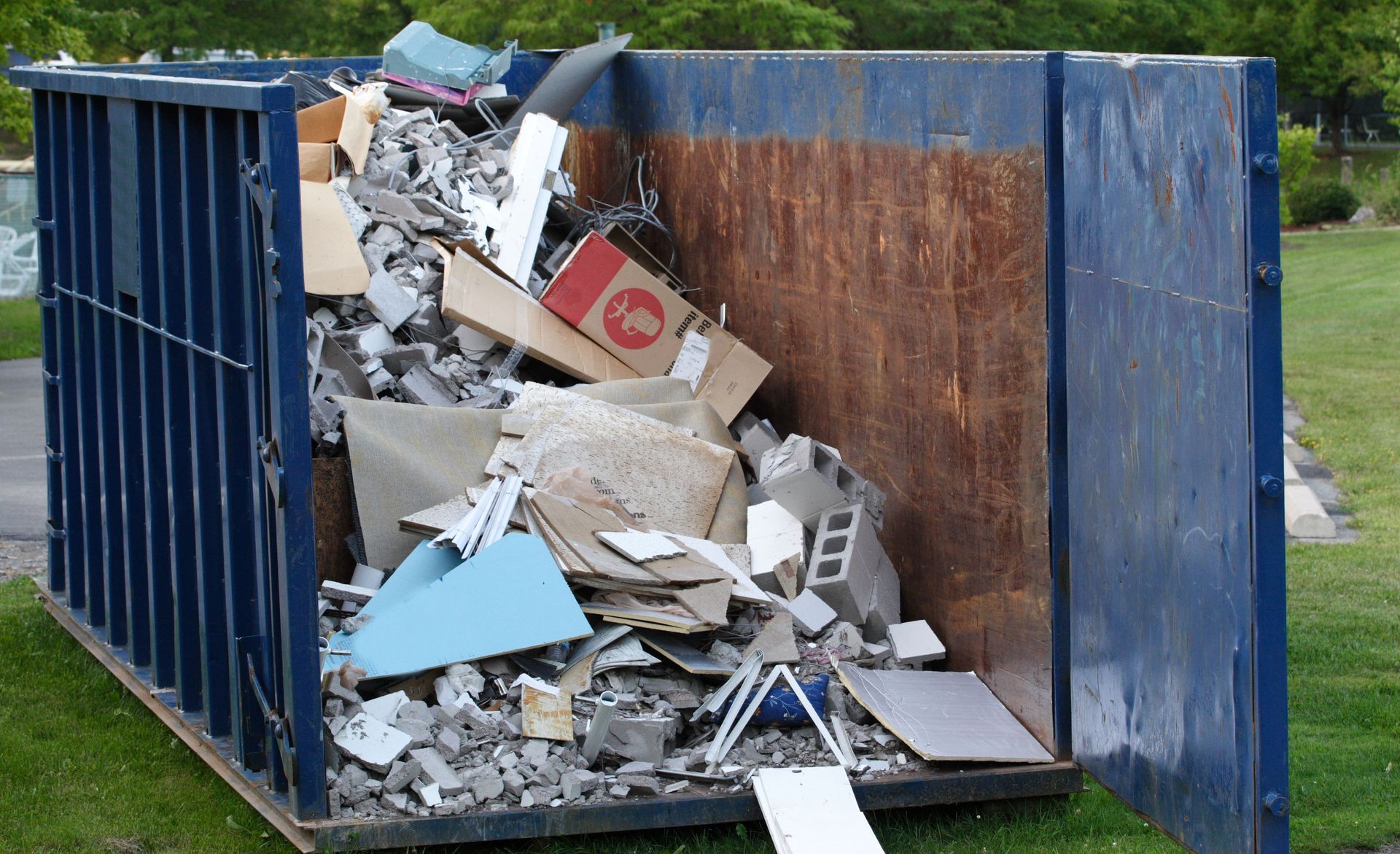
Analyzing the structural differences between these two dumpster designs highlights their distinct roles in waste management. Roll-off containers feature wide open tops, heavy steel walls, and rear swing doors that permit walk-in loading of heavy items. In contrast, front-load dumpsters incorporate heavy-duty plastic lids on top, slanted fronts, and side slots designed specifically for truck fork attachment.
The open-top layout of roll-off bins facilitates fast disposal of bulky structural materials, large appliances, broken concrete, and tree branches. Front-load containers prioritize waste containment and weather protection, keeping everyday trash dry and preventing lightweight litter from blowing across parking lots. Partnering with a trusted local dumpster rental service ensures that your site receives the exact container design required for your waste stream.
Ground placement constraints also differ markedly between the two container options. Roll-off units require long, flat driveways or wide construction pads to accommodate delivery trucks and heavy rolling wheels. Front-load bins occupy smaller, permanent footprints, often nestled inside dedicated wooden enclosures or concrete service bays behind commercial buildings.
Assess Operational and Scheduling Flexibility
Operational flexibility varies depending on whether your project requires temporary debris removal or long-term refuse disposal. Roll-off dumpster rentals operate on an on-demand delivery and haul-away schedule tailored to specific project timelines. Once the container is full or the renovation wraps up, haulers pull the unit away, making it ideal for short-term projects.
Front-load dumpsters rely on fixed, recurring pickup schedules such as weekly or monthly servicing. This predictable routine suits businesses with consistent daily waste generation, ensuring garbage never accumulates beyond capacity. Utilizing a dependable local dumpster rental service enables commercial clients to adjust pickup frequency smoothly as business activity fluctuates during peak seasons.
Project managers must evaluate operational timelines before selecting a waste container type. Short-term construction tasks demand the temporary storage volume and flexible pickup timing of roll-off containers. Long-term commercial operations require the structured routine and steady reliability of permanent front-load bin management.
Review Financial and Placement Considerations
Cost structures for waste containers depend on rental duration, disposal weight, and collection frequency. Roll-off rentals are typically billed as flat-rate short-term fees covering drop-off, a set rental period, weight allowances, and final haulage. Unanticipated weight overages or extended rental days can incur extra charges if project timelines shift.
Front-load dumpster pricing functions through ongoing monthly service agreements determined by container size and pickup schedule. Fixed contract pricing offers business owners budget predictability without surprise fees for standard waste volumes. Consulting a knowledgeable local dumpster rental service clarifies fee structures upfront, helping managers select the most cost-effective arrangement for their budget.
Placement logistics demand careful site planning prior to container delivery. Roll-off trucks require significant overhead clearance for hydraulic hoists and ample space to maneuver heavy vehicles without damaging pavement. Front-load trucks need clear, unobstructed drive aisles to align their front forks safely with container slots during servicing.
Choose the Ideal Waste Solution
Selecting the right waste management container requires balancing project scope, space limitations, and disposal budget. Homeowners tackling garage cleanouts, roof replacements, or kitchen remodels benefit most from open-top roll-off containers. Their high volume capacity and easy loading mechanisms make short-term debris clearing fast and efficient.
Commercial enterprises requiring ongoing refuse management should opt for stationary front-load containers. Their compact footprint, secure lids, and scheduled servicing keep daily waste contained without disrupting business operations. Reaching out to a local dumpster rental service ensures expert guidance when matching container specifications to your property layout and waste patterns.
Evaluating waste composition, project duration, and site accessibility leads to an effective waste management strategy. Choosing the correct container type minimizes operational bottlenecks and avoids unnecessary disposal expenses. Proper waste planning ensures clean, safe, and compliant properties regardless of project scale.
Selecting the right waste disposal setup comes down to understanding your project duration, space constraints, and waste volume. Roll-off dumpsters offer high capacity and loading ease required for short-term construction, remodeling, and major property cleanups. Front-load dumpsters provide permanent, scheduled convenience necessary for managing day-to-day commercial garbage. Aligning container capabilities with your operational requirements prevents costly delays and keeps your property clean.
Navigating waste management options is effortless when partnering with experienced industry professionals. Whether you need an open-top container for an upcoming renovation or a permanent bin for your business, securing the right equipment guarantees hassle-free disposal. Contact us today at Speedy Dumpsters so we can assist with your local dumpster rental service and keep your project running smoothly.